Medical specialties
Anaesthesia and Perioperative Medicine Diploma
Register interest
An evidence-led diploma in anaesthesia and perioperative medicine: how to assess and prepare patients for surgery, keep them safe in theatre and through crises, and see them through recovery, anchored on National Institute for Health and Care Excellence (NICE), Difficult Airway Society and European society guidance, including current advice on glucagon-like peptide-1 (GLP-1) receptor agonists and sodium-glucose cotransporter-2 (SGLT2) inhibitors.
Twenty-five weekly sessions across five modules take you from preoperative assessment and optimisation, through the airway, monitoring, regional anaesthesia and perioperative pain, to crisis management, recovery and running a perioperative service, taught live by practising specialists you can question.
- Course director
- To be announced
- Format
- 25 live weekly sessions on Zoom, in 5 modules
- Fee
- £1,200 (scholarships available)
- Dates
- Confirmed when enrolment opens
Who it is for
Senior trainees, fellows and early-career consultants in anaesthesia, and physicians, surgeons and allied specialists who share perioperative care, worldwide.
The programme
25 one-hour sessions in 5 modules, each with its learning objectives. This is the draft programme: the course director reviews and refines it before enrolment opens, so session titles may change.
Module 1 · Sessions 1 to 5Preoperative assessment and optimisation
1. Preoperative assessment and risk
- Order preoperative tests in line with NICE NG45 and avoid low-value testing
- Estimate perioperative risk using validated tools and explain it to patients
- Lead a shared decision-making conversation about whether to proceed with surgery
- Organise a preoperative assessment pathway that follows NICE NG180
2. The heart before non-cardiac surgery
- Decide which patients need cardiac investigation before non-cardiac surgery
- Use troponin and natriuretic peptide testing where guidelines support it
- Manage antiplatelet and anticoagulant drugs around surgery, including after recent stents
- Compare the 2022 European and 2024 American recommendations and explain where they differ
3. Diabetes, weight-loss drugs and anaemia
- Plan perioperative management of GLP-1 receptor agonists and SGLT2 inhibitors using the 2025 UK consensus
- Recognise euglycaemic ketoacidosis after surgery
- Manage perioperative glucose in patients treated with insulin
- Detect and treat preoperative anaemia, including the limits of intravenous iron
4. Frailty, cognition and the older surgical patient
- Screen for frailty and cognitive impairment before surgery
- Apply the 2023 European measures to prevent postoperative delirium
- Assess capacity and support decision-making in older surgical patients
- Plan perioperative care jointly with geriatric medicine
5. Fasting, prehabilitation and enhanced recovery
- Apply current fasting guidance for adults and children, including clear fluids
- Explain where US fasting guidance differs from European guidance
- Design a prehabilitation programme for high-risk patients
- Implement the enhanced recovery elements that change outcomes
Module 2 · Sessions 6 to 10The airway, monitoring and intraoperative care
6. Airway assessment and the unanticipated difficult airway
- Assess the airway and make a plan with backup options
- Apply the Difficult Airway Society 2025 algorithm for unanticipated difficult intubation
- Make the decision to perform emergency front-of-neck access without delay
- Use human factors principles to communicate during an airway crisis
7. Awake intubation, rapid sequence induction and the critically ill
- Select patients for awake tracheal intubation using national guidance
- Perform a safe rapid sequence induction and justify using or omitting cricoid pressure
- Prepare for intubation of a critically ill patient using a checklist
- Reduce aspiration risk in patients with a full stomach
8. Monitoring, depth of anaesthesia and total intravenous anaesthesia
- Apply the 2021 monitoring standards in theatre and recovery
- Use processed EEG to guide the depth of anaesthesia
- Deliver total intravenous anaesthesia safely in line with national guidelines
- Reduce the risk of accidental awareness during general anaesthesia
9. Haemodynamics and fluids
- Define and treat intraoperative hypotension
- Plan fluid therapy for major surgery using recent trial evidence
- Decide when cardiac output monitoring is justified after the latest negative trial
- Choose vasopressors and inotropes for common perioperative scenarios
10. Ventilation, obesity and sleep apnoea
- Set lung-protective ventilation in theatre
- Identify patients at high risk of postoperative pulmonary complications
- Plan anaesthesia for patients with obesity
- Screen for obstructive sleep apnoea and plan postoperative monitoring
Module 3 · Sessions 11 to 15Regional anaesthesia and perioperative pain
11. Ultrasound-guided regional anaesthesia
- Choose a nerve block that matches the operation
- Describe ultrasound and needle techniques that reduce nerve injury
- Apply checks that prevent wrong-site blocks
- Treat local anaesthetic systemic toxicity
12. Neuraxial anaesthesia and antithrombotic drugs
- Time neuraxial procedures and catheter removal around antithrombotic drugs
- Compare the 2022 European and 2025 American antithrombotic recommendations
- Recognise and manage spinal haematoma and epidural abscess
- Choose between spinal and general anaesthesia for hip fracture with the patient
13. Perioperative analgesia and opioid stewardship
- Build multimodal analgesic plans using procedure-specific recommendations
- Apply the 2024 national consensus on peri-operative pain management
- Limit opioid prescribing at discharge
- Manage acute pain in patients who take long-term opioids
14. Obstetric anaesthesia
- Provide safe labour epidural analgesia and manage a failing epidural
- Choose neuraxial or general anaesthesia for caesarean birth according to urgency
- Manage the difficult airway in an obstetric patient
- Coordinate the response to major obstetric haemorrhage
15. Paediatric anaesthesia for the non-specialist
- Plan anaesthesia for a healthy child having common surgery
- Apply current paediatric fasting guidance
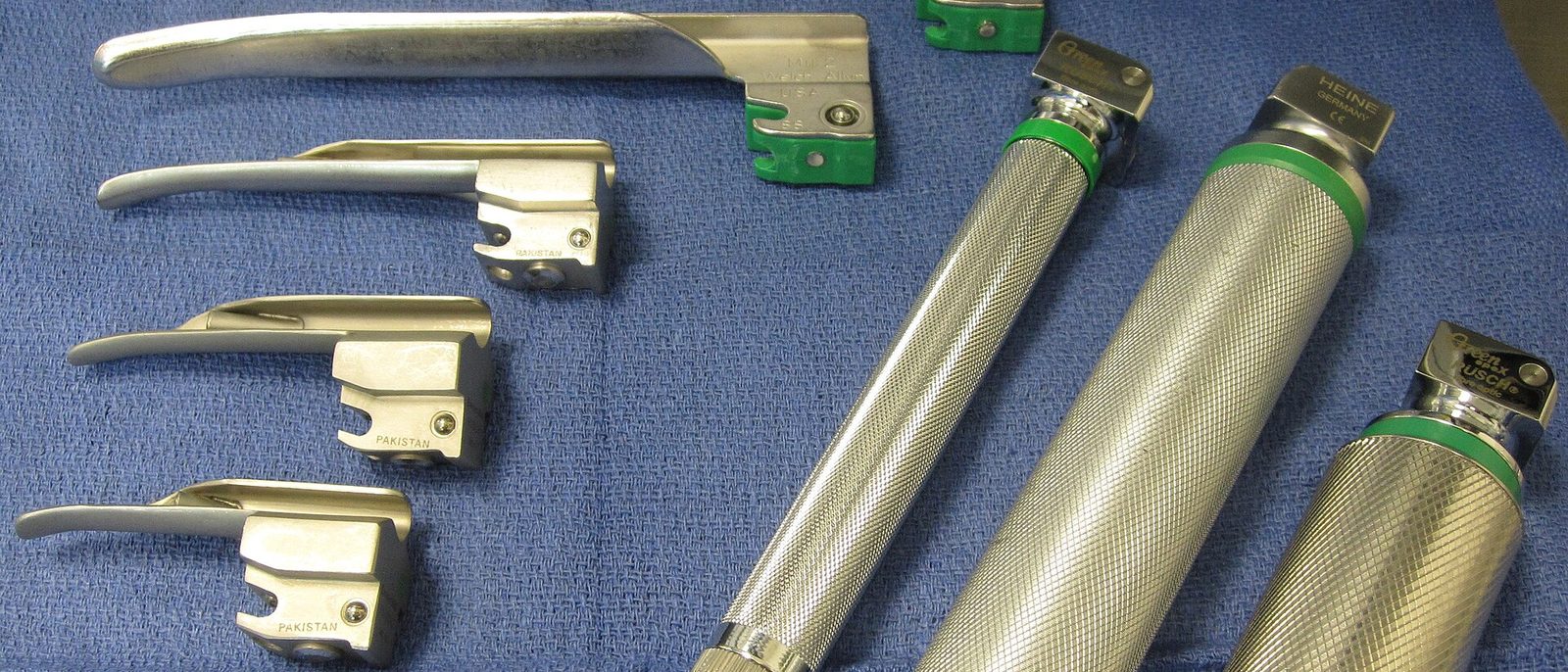
- Describe the anatomical airway differences in infants, including when a straight blade laryngoscope helps
- Stabilise a sick child and prepare them for transfer
Module 4 · Sessions 16 to 20Crises, emergencies and safety
16. Perioperative cardiac arrest
- Recognise the commonest causes of perioperative cardiac arrest found by the UK national audit
- Lead resuscitation in theatre using the 2025 European resuscitation guidelines
- Decide whether surgery should stop or continue during a cardiac arrest
- Support the team and the family after a perioperative cardiac arrest
17. Anaphylaxis and malignant hyperthermia
- Recognise and treat perioperative anaphylaxis
- Refer patients for allergy investigation after a suspected reaction
- Recognise malignant hyperthermia and give dantrolene
- Plan anaesthesia for a patient susceptible to malignant hyperthermia
18. Major haemorrhage and transfusion
- Activate and run a major haemorrhage protocol
- Use tranexamic acid in line with large trial evidence
- Interpret viscoelastic tests to guide blood product use
- Apply patient blood management to reduce transfusion
19. Emergency surgery and the high-risk patient
- Assess risk and plan anaesthesia for emergency laparotomy
- Resuscitate a septic patient before emergency surgery
- Plan anaesthesia for an older patient with a hip fracture
- Use national audit data to improve emergency surgical care
20. Human factors, checklists and safety culture
- Run an effective team brief and safety checklist
- Use cognitive aids during a crisis
- Report and learn from incidents within a just culture
- Apply lessons from national audit projects to local practice
Module 5 · Sessions 21 to 25Recovery and the wider perioperative pathway
21. Recovery, postoperative nausea and day surgery
- Assess the risk of postoperative nausea and vomiting and give prophylaxis in line with the 2020 consensus
- Select patients for day surgery using the 2019 guidelines
- Apply safe discharge criteria after anaesthesia
- Manage an unplanned admission after day surgery
22. Postoperative complications and the deteriorating patient
- Recognise myocardial injury after non-cardiac surgery and plan follow-up
- Prevent and treat postoperative pulmonary complications
- Detect and manage acute kidney injury after surgery
- Escalate a deteriorating surgical patient to critical care at the right time
23. Sedation and anaesthesia outside the operating theatre
- Assess patients for procedural sedation and choose the right depth
- Monitor sedated patients with capnography
- Plan anaesthesia in remote sites, including cardiology suites
- Rescue a patient from deeper sedation than intended
24. Consent, ethics and sustainable anaesthesia
- Obtain informed consent for anaesthesia that discusses material risks
- Discuss resuscitation decisions and treatment limits before surgery
- Reduce the environmental impact of anaesthetic gases
- Plan care for a patient who refuses blood products
25. Running a perioperative medicine service, with a complex case panel
- Apply the course to complex cases in a panel discussion
- Design a preoperative assessment and optimisation service
- Use audit and quality improvement to measure perioperative outcomes
- Build a personal plan for continuing development in anaesthesia and perioperative medicine
What the diploma includes
- 25 live sessions on Zoom, one evening a week, with recordings for the weeks you miss.
- Practising specialists teaching live, so you can put your questions to them.
- Weekly MCQs and a final written assessment.
- A digital certificate carrying your final classification.
Lead or teach the Anaesthesia and Perioperative Medicine Diploma
We are looking for a course director and faculty from the specialty. Sessions are one hour in the UK evening, live on Zoom, and paid.