Allied health professionals
Operating Room Personnel Diploma
Register interest
A live online diploma for the whole theatre team, built around the decisions you make in the operating room: the safety systems that protect every patient, the anaesthetic room, scrub and circulating practice, assisting in surgery, and recovery, special patients and leading the team.
Teaching is anchored on current UK and European standards, including NatSSIPs 2, AfPP, Association of Anaesthetists and Difficult Airway Society guidance and NICE, with US (AORN and Joint Commission) differences flagged where they change practice. Twenty-five weekly sessions across five modules, taught live by practising theatre professionals you can question.
The diploma is professional development. It does not confer registration, a qualification as a surgical first assistant, or any extension of your scope of practice, and the practical skills it discusses still need supervised practice in your own theatre.
- Course director
- To be announced
- Format
- 25 live weekly sessions on Zoom, in 5 modules
- Fee
- £1,200 (scholarships available)
- Dates
- Confirmed when enrolment opens
Who it is for
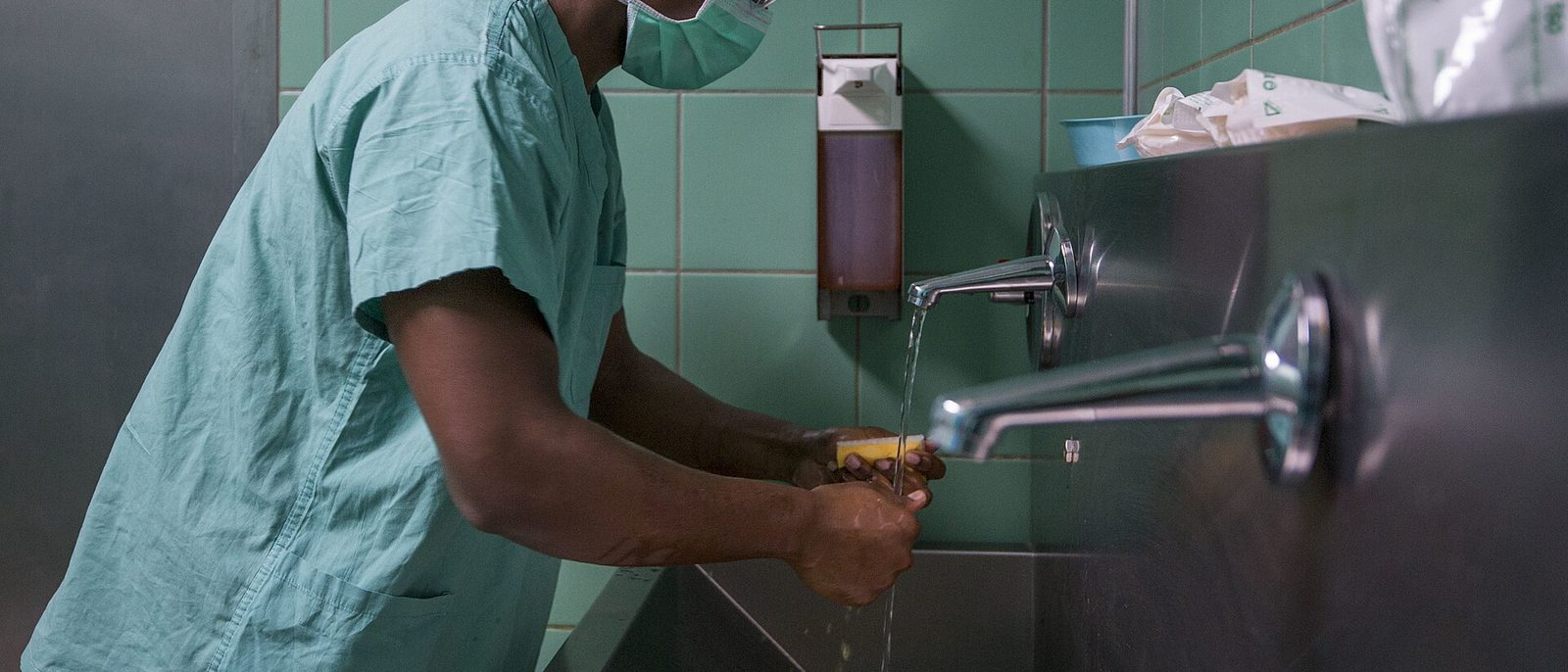
Experienced theatre nurses, operating department practitioners, anaesthetic and recovery practitioners and surgical first assistants, worldwide.
The programme
25 one-hour sessions in 5 modules, each with its learning objectives. This is the draft programme: the course director reviews and refines it before enrolment opens, so session titles may change.
Module 1 · Sessions 1 to 5Safety systems and the theatre team
1. The perioperative team and professional accountability
- Describe the responsibilities of each perioperative role in a theatre team
- Apply your regulator's standards to decisions about delegation and competence
- Decline a task outside your training and competence and escalate it safely
- Compare perioperative role models in the UK, Europe and the US
2. NatSSIPs 2 and the five steps to safer surgery
- Lead a team brief that identifies patient, procedure and equipment risks
- Run a time out that the whole team engages with
- Adapt a local safety standard for an invasive procedure to NatSSIPs 2
- Explain where the US Universal Protocol differs from NatSSIPs 2
3. Never Events in theatre: wrong site, wrong implant and retained items
- Conduct a count of accountable items to a standard that withstands interruption
- Manage a count discrepancy, including when to stop the procedure
- Verify an implant against the plan before it is opened
- Report a Never Event and support the team afterwards
4. Human factors, communication and speaking up
- Identify human factors that contributed to a theatre incident
- Use closed-loop communication and SBAR in critical moments
- Raise a safety concern using graded assertiveness, including with senior colleagues
- Contribute to a team culture in which concerns are heard
5. Learning from incidents and improving safety
- Report a theatre incident clearly and without blame
- Take part in an after-action review that leads to change
- Explain the professional duty of candour and its application after harm
- Plan a small theatre audit or improvement project
Module 2 · Sessions 6 to 10The anaesthetic practitioner
6. Preparing for anaesthesia: equipment and monitoring
- Check an anaesthetic machine and breathing system to the national standard
- Prepare monitoring, drugs and airway equipment for the planned anaesthetic
- Recognise equipment faults that must stop the list
- Prepare a back-up plan for the unplanned airway or haemodynamic event
7. Assisting with the airway and the difficult airway
- Prepare equipment and the team for an anticipated difficult airway
- Assist effectively at each stage of the DAS 2025 algorithm
- Recognise a can't intubate, can't oxygenate situation and prepare for front of neck access
- Support a safe extubation and recognise post-extubation airway problems
8. Anaesthetic emergencies: anaphylaxis, malignant hyperthermia and local anaesthetic toxicity
- Recognise perioperative anaphylaxis and take your part in its treatment
- Prepare and give dantrolene as directed in a malignant hyperthermia crisis
- Recognise local anaesthetic systemic toxicity and fetch and prepare lipid emulsion
- Run the follow-up steps after an anaesthetic emergency, including referral and reporting
9. Regional anaesthesia, sedation and wrong-site blocks
- Prepare the patient, equipment and team for a regional block
- Apply the Prep, Stop, Block check immediately before needle insertion
- Monitor a sedated patient and recognise over-sedation
- Support an awake patient through surgery under regional anaesthesia
10. Cardiac arrest and major haemorrhage in theatre
- Take an assigned role in a perioperative cardiac arrest
- Activate and run your part of a major haemorrhage protocol
- Set up and use rapid infusion and cell salvage equipment safely
- Lead a debrief after a theatre emergency
Module 3 · Sessions 11 to 15Scrub and circulating practice
11. Asepsis and preventing surgical site infection
- Perform and supervise surgical hand antisepsis, gowning and gloving to standard
- Prepare and drape the surgical site in line with NICE NG125
- Control theatre traffic and doors to protect the sterile field
- Act when the sterile field is breached
12. Instruments, decontamination, implants and loan kits
- Check an instrument set for completeness and function before use
- Manage a damaged, contaminated or incomplete set without delaying care unsafely
- Coordinate loan kits and supplier representatives safely
- Record implant traceability information accurately
13. Patient positioning and pressure injury
- Plan a position with the team that gives surgical access and protects the patient
- Protect nerves, eyes and pressure areas in each common position
- Recognise risk factors for well-leg compartment syndrome and pressure injury
- Move and position patients with obesity safely
14. Electrosurgery, surgical smoke and theatre hazards
- Apply return electrodes and use electrosurgery to prevent burns
- Use smoke evacuation and explain the risks of surgical smoke to staff
- Apply radiation and laser safety rules in theatre
- Prevent and manage a sharps injury and a theatre fire
15. Specimens, medicines and blood in theatre
- Label, record and dispatch specimens without error
- Label and hand over every medicine on and off the sterile field
- Manage controlled drugs in theatre to the legal standard
- Check blood components and recognise a transfusion reaction
Module 4 · Sessions 16 to 20Assisting in surgery
16. The surgical first assistant: role, training and limits
- Describe the recognised training routes and limits of the surgical first assistant role in the UK
- Decide whether a requested task is within your training, competence and local policy
- Raise concerns when asked to work beyond your competence
- Compare first assistant roles in the UK, Europe and the US
17. Exposure, retraction, haemostasis and wound closure
- Provide exposure and retraction that anticipates the surgeon's needs
- Choose haemostatic techniques and agents appropriate to the situation
- Select suture materials and, where your role allows, close wounds to the standard expected locally
- Handle tissue to minimise trauma
18. Minimally invasive and robotic surgery
- Set up laparoscopic equipment and recognise insufflation complications
- Prepare the theatre layout and team roles for a robotic list
- Rehearse and lead emergency undocking with the team
- Prepare for conversion to open surgery
19. Tourniquets, drains, dressings and the end of surgery
- Apply and monitor a tourniquet and record its use
- Secure and label drains and catheters before transfer
- Choose a dressing that suits the wound and the plan for it
- Lead a sign out that captures every item the next team needs
20. Normothermia, venous thromboembolism and enhanced recovery
- Measure temperature and use active warming in line with NICE CG65
- Apply mechanical thromboprophylaxis correctly in line with NICE NG89
- Explain the enhanced recovery elements the theatre team influences
- Recognise patients at high risk of hypothermia or VTE
Module 5 · Sessions 21 to 25Recovery, special patients and leading the theatre
21. Post-anaesthesia recovery care
- Receive a structured handover and set the first recovery priorities
- Recognise and manage airway obstruction and respiratory depression in recovery
- Treat pain and nausea within agreed protocols
- Apply discharge criteria before a patient leaves recovery
22. Children, older people and patients who need adjustments
- Prepare the theatre and team for a child and their parent
- Reduce delirium risk for older and frail patients through the theatre journey
- Make reasonable adjustments for patients with dementia or a learning disability
- Recognise when consent or capacity needs to be checked again before surgery
23. The emergency, trauma and obstetric theatre
- Prepare theatre for a time-critical emergency at short notice
- Coordinate the team for a category 1 caesarean section
- Support damage control surgery and the transfer to critical care
- Keep safety checks in place under time pressure
24. Sustainable and efficient theatres
- Apply the Green Theatre Checklist actions that sit with the theatre team
- Segregate theatre waste correctly
- Identify causes of delay on a list and propose safe fixes
- Balance efficiency targets against safety checks
25. Leading the theatre team and complex case review
- Apply the course to complex theatre cases in a panel discussion
- Plan theatre staffing and skill mix in line with AfPP guidance
- Support and assess learners in theatre
- Build a personal plan for continuing development
What the diploma includes
- 25 live sessions on Zoom, one evening a week, with recordings for the weeks you miss.
- Practising specialists teaching live, so you can put your questions to them.
- Weekly MCQs and a final written assessment.
- A digital certificate carrying your final classification.
Lead or teach the Operating Room Personnel Diploma
We are looking for a course director and faculty from the specialty. Sessions are one hour in the UK evening, live on Zoom, and paid.