Surgical specialties
Plastic and Reconstructive Surgery Diploma
Register interest
An evidence-led diploma in plastic and reconstructive surgery: how to choose and plan a reconstruction, manage skin cancer, burns and complex wounds, and practise breast, aesthetic and congenital surgery safely, anchored on National Institute for Health and Care Excellence (NICE) and European guidance, with US differences explained.
Twenty-five weekly sessions across five modules take you from grafts, flaps and wound care, through skin cancer, burns and trauma reconstruction, to breast, body and lymphoedema surgery and aesthetic, congenital and complex reconstruction, taught live by practising specialists you can question.
- Course director
- To be announced
- Format
- 25 live weekly sessions on Zoom, in 5 modules
- Fee
- £1,200 (scholarships available)
- Dates
- Confirmed when enrolment opens
Who it is for
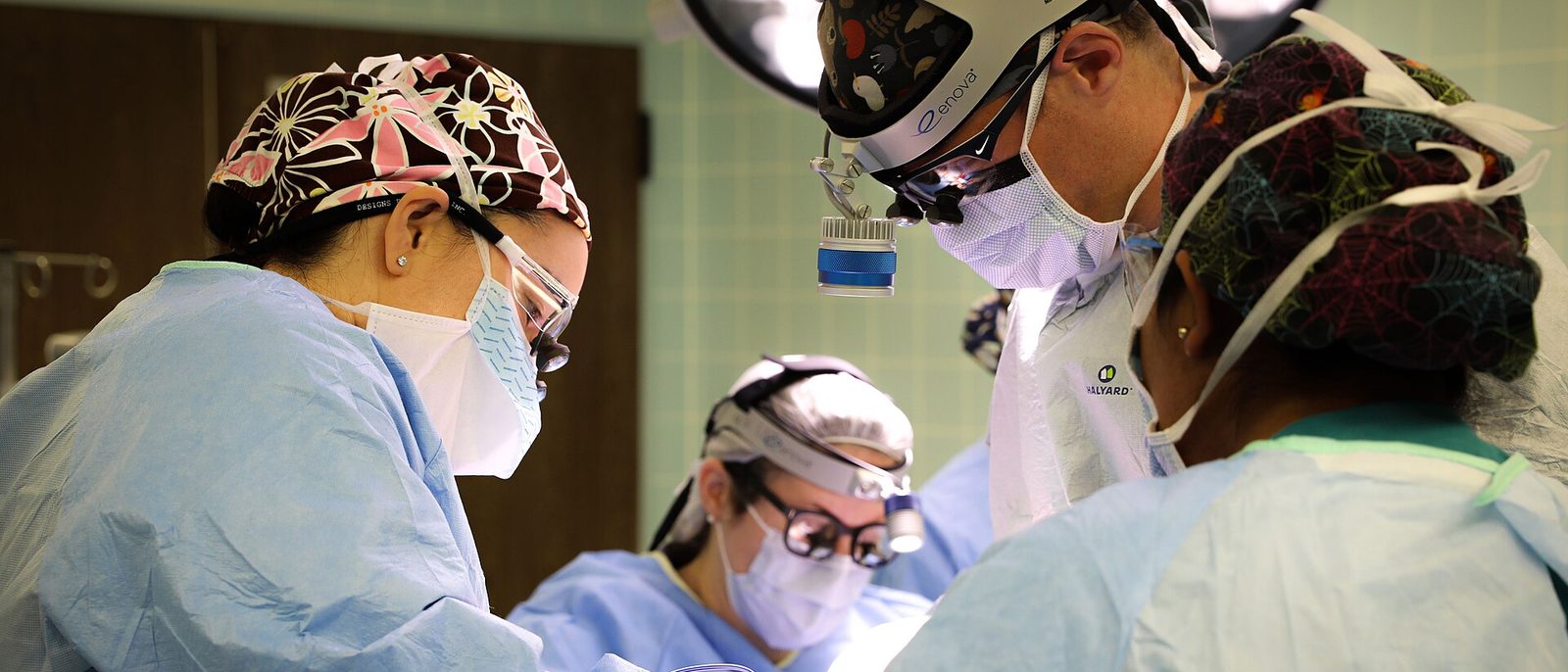
Senior trainees, fellows and early-career consultants in plastic and reconstructive surgery, and surgeons in related specialties who reconstruct wounds and defects, worldwide.
The programme
25 one-hour sessions in 5 modules, each with its learning objectives. This is the draft programme: the course director reviews and refines it before enrolment opens, so session titles may change.
Module 1 · Sessions 1 to 5Principles of reconstruction and wound care
1. Choosing the reconstruction: from the ladder to the elevator
- Select a reconstructive option by weighing defect, patient and donor-site factors
- Identify patient factors that raise the risk of wound and flap failure
- Plan treatment of hypertrophic and keloid scars
- Explain reconstructive options and their trade-offs to a patient
2. Skin grafts and local flaps
- Choose between split-thickness and full-thickness grafts for a defect
- Design a local flap that respects tension lines and blood supply
- Diagnose and manage graft and local flap failure
- Manage donor sites to reduce pain and delayed healing
3. Perforator and free flaps: planning, monitoring and salvage
- Plan a free flap using perforator imaging and recipient vessel assessment
- Set up a flap monitoring protocol for the ward team
- Distinguish arterial from venous compromise and act within the salvage window
- Decide when antithrombotic drugs help or harm in microsurgery
4. Pressure ulcers and chronic wounds: when surgery helps
- Grade a pressure ulcer and decide whether surgery is appropriate
- Optimise nutrition, continence, seating and pressure care before surgery
- Choose a flap for a sacral, ischial or trochanteric pressure ulcer
- Plan postoperative care that reduces recurrence
5. Necrotising soft-tissue infection and complex wounds
- Recognise necrotising soft-tissue infection early and escalate
- Perform the decision steps of a radical debridement and plan re-look surgery
- Choose antibiotics with microbiology for necrotising infection
- Plan staged reconstruction after extensive debridement
Module 2 · Sessions 6 to 10Skin cancer
6. Melanoma: diagnosis, excision and staging
- Plan diagnostic excision of a suspected melanoma
- Choose a wide local excision margin based on tumour thickness and current guidelines
- Select patients for sentinel lymph node biopsy and explain what it offers
- Stage melanoma from pathology and imaging
7. Melanoma: nodal disease and systemic therapy
- Manage a positive sentinel node using MSLT-II evidence
- Select patients for therapeutic lymph node dissection
- Explain the role of neoadjuvant and adjuvant systemic therapy to a patient
- Coordinate melanoma care with oncology in the skin cancer multidisciplinary team
8. Keratinocyte cancers: basal and squamous cell carcinoma
- Classify basal and squamous cell carcinomas as low or high risk
- Choose excision margins or Mohs surgery for a facial skin cancer
- Manage incomplete excision and recurrence
- Recognise when a high-risk squamous cell carcinoma needs multidisciplinary review
9. Facial reconstruction after skin cancer
- Plan facial reconstruction around aesthetic subunits
- Choose a reconstruction for a nasal defect by its size and depth
- Reconstruct an eyelid or lip defect while preserving function
- Identify defects that need a multidisciplinary approach
10. Soft tissue sarcoma and rare skin cancers
- Recognise a lump that needs referral to a sarcoma centre before biopsy
- Plan reconstruction after sarcoma resection with the sarcoma multidisciplinary team
- Adapt reconstruction for tissue that has had or will have radiotherapy
- Recognise rare skin cancers that need specialist multidisciplinary care
Module 3 · Sessions 11 to 15Burns, trauma and facial reconstruction
11. Acute burns: assessment, resuscitation and referral
- Estimate burn depth and total body surface area accurately
- Prescribe and adjust burn fluid resuscitation to avoid over-resuscitation
- Recognise inhalation injury and protect the airway
- Apply referral criteria to transfer a patient to a burn service
12. Burn surgery, scarring and rehabilitation
- Decide on the timing of excision and grafting
- Perform the decision steps for escharotomy
- Recognise burn patterns that suggest non-accidental injury
- Plan scar and contracture management with therapists
13. Open lower limb fractures: joint trauma and plastic surgery care
- Manage an open fracture to the joint trauma and plastic surgery standard from admission
- Plan debridement and definitive soft-tissue cover within the recommended times
- Choose a local or free flap for a lower limb defect
- Contribute to a shared decision between limb salvage and amputation
14. Facial soft-tissue injury and bites
- Repair a complex facial laceration with attention to landmarks
- Recognise and repair facial nerve and parotid duct injuries
- Manage dog and human bites, including antibiotic prophylaxis
- Assess tetanus and rabies risk after a bite
15. Facial palsy and facial reanimation
- Assess facial palsy with a validated grading scale
- Protect the eye in a patient with facial palsy
- Choose between nerve transfer, cross-facial nerve graft and free muscle transfer by duration of palsy
- Plan non-surgical and static options for patients who are not candidates for dynamic surgery
Module 4 · Sessions 16 to 20Breast, body and lymphatic surgery
16. Breast reconstruction: implant or autologous
- Present immediate and delayed reconstruction options in a shared decision
- Select patients for implant-based reconstruction using iBRA evidence on complications
- Plan reconstruction around radiotherapy
- Use patient-reported outcome measures to judge results
17. Autologous breast reconstruction
- Select the right autologous flap for a patient's body habitus and history
- Plan a deep inferior epigastric perforator flap using perforator imaging
- Manage early complications after autologous breast reconstruction
- Plan secondary procedures to improve symmetry
18. Breast implants: safety and complications
- Investigate a late seroma for breast implant-associated lymphoma in line with UK guidelines
- Manage capsular contracture and implant rupture
- Counsel a patient about systemic symptoms attributed to implants
- Record implants and consent in a way that supports long-term safety
19. Body contouring after massive weight loss and abdominal wall reconstruction
- Assess a patient after massive weight loss for body contouring
- Choose between panniculectomy and abdominoplasty
- Reduce and manage wound complications after body contouring
- Plan abdominal wall reconstruction jointly with general surgeons
20. Lymphoedema surgery
- Stage lymphoedema and plan imaging
- Select patients for lymphaticovenous anastomosis or lymph node transfer
- Select patients for liposuction for fat-dominant lymphoedema
- Explain the evidence and limits of lymphoedema surgery to a patient
Module 5 · Sessions 21 to 25Aesthetic, congenital and complex reconstruction
21. Aesthetic surgery: patient selection and safety
- Screen a patient for body dysmorphic disorder before aesthetic surgery
- Obtain consent for aesthetic surgery that sets realistic outcomes and a cooling-off period
- Manage complications of cosmetic surgery performed abroad
- Recognise and treat vascular occlusion after dermal filler
22. Cleft lip and palate and craniofacial surgery
- Describe the timing of cleft lip and palate surgery within a cleft team
- Recognise velopharyngeal dysfunction and refer for assessment
- Recognise craniosynostosis and refer to a craniofacial centre
- Explain the long-term care needs of a child with a cleft to the family
23. Vascular anomalies and paediatric skin lesions
- Classify a vascular anomaly using the international classification
- Identify infantile haemangiomas that need propranolol or referral
- Choose between sclerotherapy, surgery and observation for a vascular malformation
- Advise families on congenital melanocytic naevi and their follow-up
24. Perineal, chest wall and trunk reconstruction
- Choose a flap for perineal reconstruction after pelvic cancer surgery
- Manage a deep sternal wound infection with the cardiothoracic team
- Plan chest wall reconstruction after resection
- Agree the timing and roles of each team in combined reconstruction
25. Complex case review and professional practice
- Apply the course to complex reconstructive cases in a panel discussion
- Present a complication at a morbidity and mortality meeting to drive learning
- Take and store clinical photographs with valid consent
- Plan your own development towards a subspecialty practice
What the diploma includes
- 25 live sessions on Zoom, one evening a week, with recordings for the weeks you miss.
- Practising specialists teaching live, so you can put your questions to them.
- Weekly MCQs and a final written assessment.
- A digital certificate carrying your final classification.
Lead or teach the Plastic and Reconstructive Surgery Diploma
We are looking for a course director and faculty from the specialty. Sessions are one hour in the UK evening, live on Zoom, and paid.